The Strength Behind Bumburet’s Disaster Preparedness
When Women Rescuers Respond
The Strength Behind Bumburet’s Disaster Preparedness
By Kashaf Munir
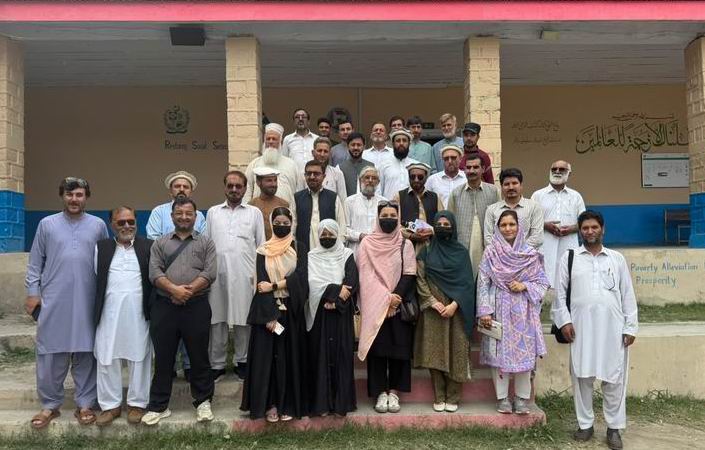
What happens when the people we usually see as vulnerable during disasters become the ones trained to respond? This was one of the questions I found myself thinking about during our recent field visit to Bumburet, Chitral, as part of a two-day training on Gender and Disability Responsive Disaster Reporting, organized in collaboration with AKAH Pakistan and FOCUS Pakistan.
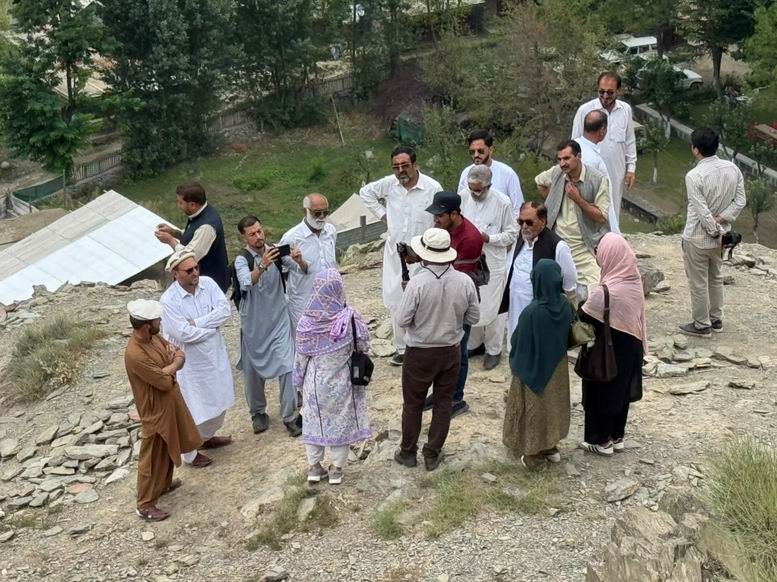
During the visit, we learned about the work of FOCUS Pakistan’s CBDRM Programme and the Community Emergency Response Teams (CERTs), and how local volunteers are trained to respond when their communities face emergencies.
What caught my attention most was the participation of women. According to FOCUS, women make up around 40% of the Community Emergency Response Teams (CERTs). This is more than just a number; it represents women stepping beyond the traditional image of being merely recipients of help and becoming part of the people providing it.
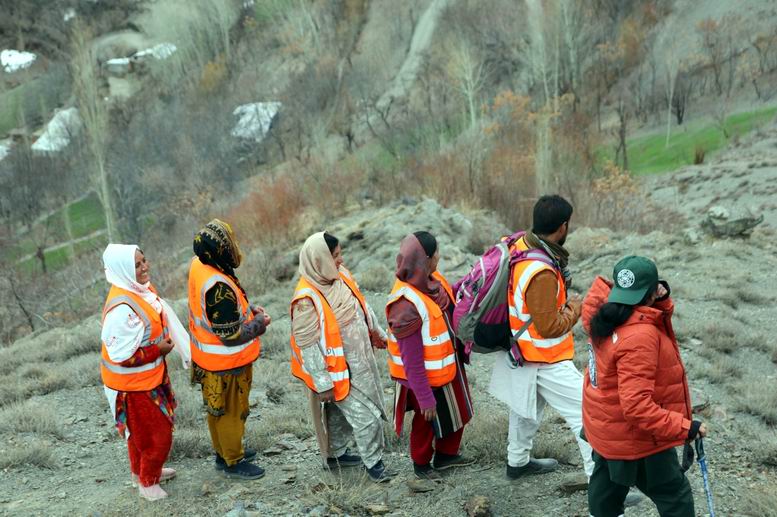
In a disaster-prone region like Chitral, this representation matters. Women can face particular challenges during floods and other emergencies, whether it is accessing timely information, providing first aid, evacuating safely, reaching healthcare facilities, or caring for children and other family members.
Having trained women within community response teams can make a real difference. They can reach and communicate with women in situations where cultural or social barriers may otherwise make communication difficult.
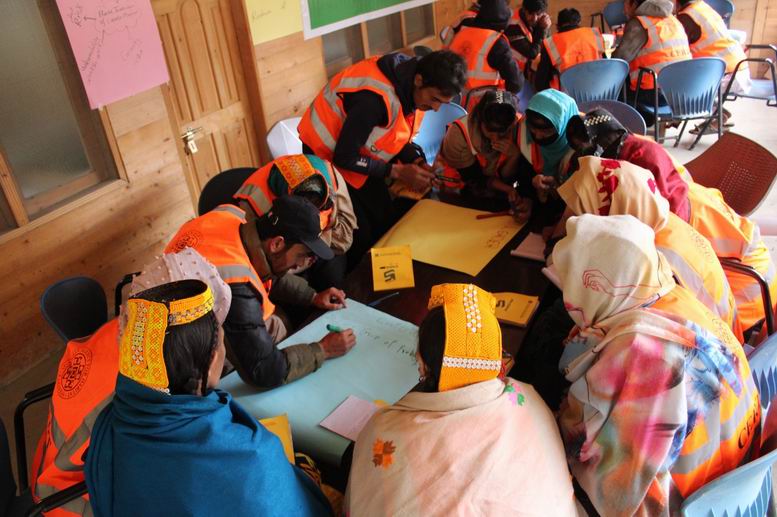
During our interaction with the CERT volunteers, we also heard about their experiences and the importance of being prepared before a disaster happens. Their work reminded me that effective disaster response does not begin when floodwater enters a village. It begins much earlier with training, awareness, early warnings, and people who know what to do.
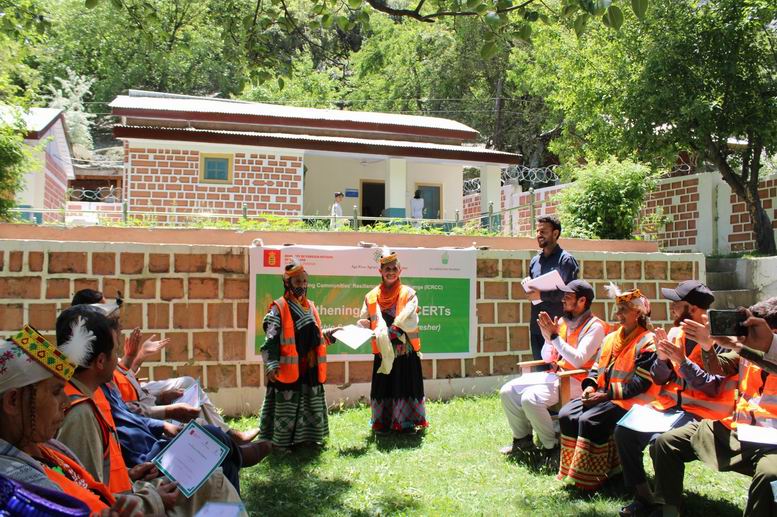
For me, the most meaningful part of the visit was seeing disaster preparedness from a community perspective. It was not simply about rescue equipment or emergency plans. It was about people, confidence, responsibility, and voluntary service.
And perhaps that is the story that deserves more attention:
Women should not only be counted among those affected by disasters. They should also be counted among those prepared to respond.
Kashaf Munir
Social Activist | Community Volunteer | Chitral