Kalash Valley: A home to ancient cultural heritage requires Govt. patronage to develop infrastructure
CHITRAL (APP): The hide and seek between clouds and sun with moderate to erratic rainfalls over Kalash valley known for unique culture heritage and primitive history, take tourists into the lap of serenity after visiting the Lower Chitral district during monsoon season.
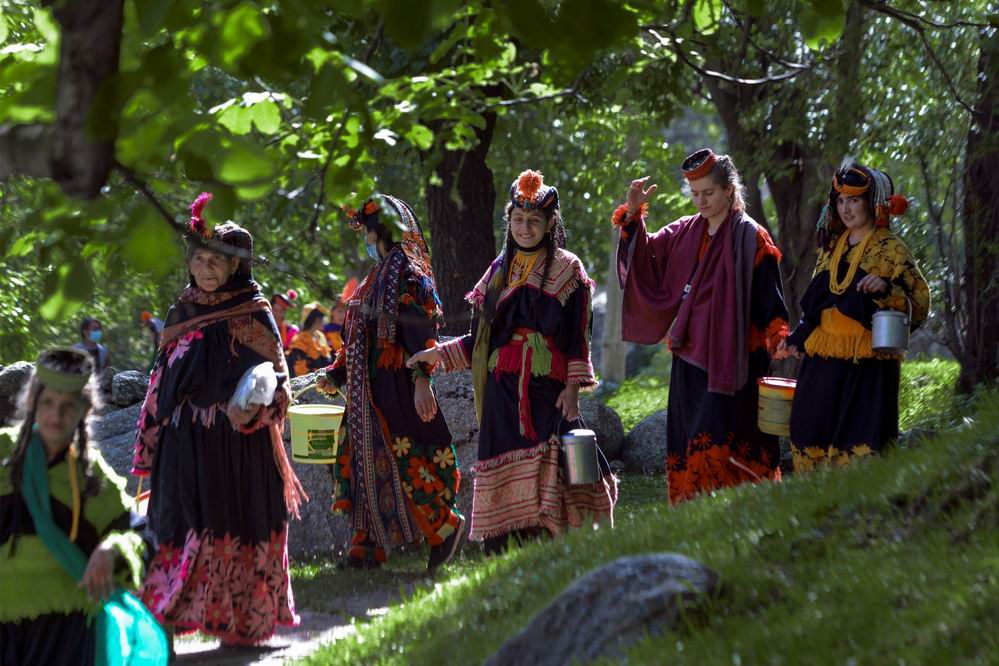
The cultural programs on beat drums amid blossom of seasonal flowers at picturesque Kalash valley surrounded by lush green mountains of Bumbret, Rumbur and Birir valleys leave an inerasable imprint on the minds of thousands of visitors every year. Carrying a unique language, custom, dresses and culture, Kalasha vibrant festivals, ancient rituals and colorful tradition bring people of all areas’ closers besides promoting cultural tourism in Chitral.
“Chitral is my favorite tourist place due to its better climate condition, Klasha culture and people’s hospitality. My visit to Chitral remained incomplete without visiting the beautiful Kalash Valley to see its live cultural festivals,” said Manzoorul Haq, former ambassador of Pakistan while talking to APP on Friday.

“Kalash valley is more than just a tourists’ destination but a voyage of centuries old tradition believed to be started during an era of Alexander the Great that impressed me the most. Besides its ancient cultural rituals and customs, Kalash’s vibrant live festivals, musical programs and colorful traditions strengthen bonds of warmth and friendship besides allowing tourists to explore its nearby snow-clad mountain peaks, especially of Trich Mir and Rakaposhi.
He said Kalash culture was the identity of Chitral and Govt patronage for development of its road infrastructure and establishment of camping pods would help bolster culture tourism here.
Manzoor also underscored the need for highlighting Kalasha culture through digital and social media so that more tourists especially from foreign countries could come here that would benefit people of Chitral economically.

By promoting infrastructure at Kalash valley, he said tourists’ load on Kalam, Kumrat, Malam Jabba, Galayat and Murree would be reduced and people of Chitral especially of Kalash and Bumbrarat would be largely benefits.
Bakhtzada Khan, senior research officer, Museums and Archeology Department KP told APP that history of Kalasha tribe was very primitive and carried significance in Asian history.“ The people of Wadi e Kalash had been considered an ancient people of Asia whose elders migrated to Chitral and settled here at Hindu Kush mountains range believed during the era of Alexander the Great.“
He said there are many myths about the origin of Kalash people and mostly it was believed that they are the descendants of Alexander the Great’s army. Another tale is about their ancestors migrating to Chitral from the land of Tsiyam – the original home place of the Kalash people, which they keep referring to in their folk songs.
To preserve the ancient art and culture of Kalasha tribe, he said work on Kalasha Dur Museum in Chitral was started in 2001 and completed in 2005. “There are about 1300 to 1500 objects exhibited in the museum which are of Ethnological interest from the Kalasha tradition and from the traditions of the wider Hindu Kush area.”
In ground floor of the museum, he said Ethnological collection of Kalasha culture besides primitive dresses, weapons and agriculture tools of Kalash women and men were kept preserved while a school of Kalasha culture with a library of books written on the valley’s significance and local artist work were housed in the second floor.
In addition to traditional weapons made of stones, metals and woods, the Museum has a great collection of other artifacts used by the Kalasha people for hunting and self-defense purposes.
Kalasha museum also houses a vast collection of agricultural tools, which reminds the visitors about its glorious culture, history, and innovation changes in tool-making techniques.

A tourist could not remain unimpressed after seeing the indigenous dresses of Kalasha tribe at the museum. Various musical instruments used over centuries are also put on display in the Museum besides tabla, sarangi, sahnai, tambura etc. Besides the rare photographs, he said the museum has film rolls, journals, books, sculptures, maps, documents, and materials related to Kalasha Dur Chitral.
Bakhtzada said the Kalasha tribe’s primitive dresses of both men and women are very special because it is not just traditional dresses but also an expression of cultural identity of the Kalasha tribe.
Besides other small events, he said three major festivals were organized by people of Kalash every year who enjoy dancing on traditional musical beats in these yearly events that were attracting tourists from across the country.