Impact of Global warming on Chitral – By: Azhar Uddin
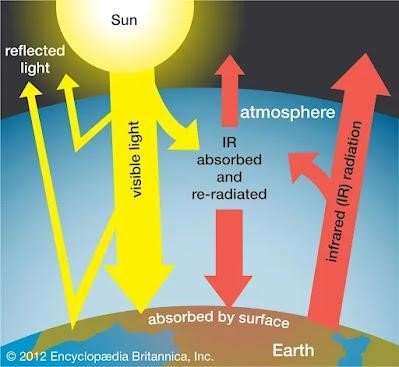
Global Warming is the slow increase in the average temperature of the earth. The sun’s rays strike the earth’s crust, warming it up, which is necessary for it, and after warming the earth’s crust, the sun’s rays reflected into the atmosphere are trapped by Greenhouse Gases (Carbon dioxide, Methane, Nitrous Oxide, Vapors, Chlorofluorocarbon). These Gases just trapped the heat that reflected from the earth’s crust resulting in an increase in the normal temperature of the Globe. After the industrial revolution, human beings have extravagantly enjoyed the available facilities, but without knowing the degradation of fossil fuels (coal, oil, natural Gas) and their impact on the mother Globe. Global Warming boosts the climate change issue that has devastating effects on our life. Generally, Global warming and Climate Change are used interchangeably, and in fact, they are interrelated but not identical. Climate change is the change of weather patterns and unprecedented changes in the seasons around the Globe. Global Warming causes climate change, which in turn poses threat to our livelihood in the form of flooding, drought, unprecedented rainfall, glacial outburst, and diseases.
However, the consequences of climate change have negatively impacted the poorest people the most, with constraints in employment opportunities and daily wages, especially the uneducated or unskilled labor in rural areas. There is a dire need for governments to take initiative to ensure that most of their policies and activities are environmentally friendly. On the contrary, developing countries need to adopt mitigative Global warming and climate change policies and keep an eagle eye view on the implementation process as per the standards of the international Agencies. According to various research papers and INGO’s reports, industrialized countries are responsible for 79 percent of global emissions of greenhouse gases.
The Paris Agreement is an international treaty that binds countries legally to work on climate change and Global Warming under the UN Framework Convention on Climate Change. It has 196 member countries that are committed to keeping control of COP21 emissions. The core objective of the Paris agreement is to keep global warming between 2-1.5 degree Celsius. The institution provides a comprehensive framework for different countries and regions to cope with climate issues. It is a fact that some regions are more vulnerable to the wrath of climate than others.
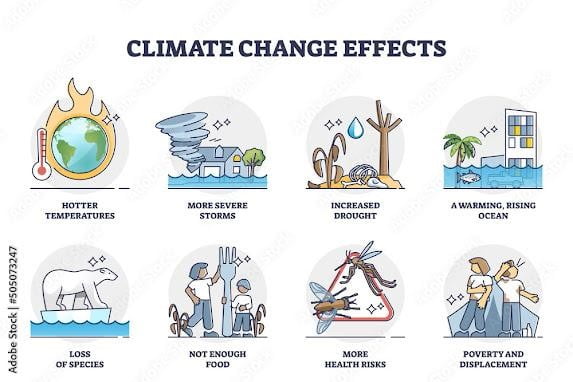
For instance, Chitral is one of the climate-vulnerable regions in Pakistan. It is situated in the northwest of Khyber Pakhtunkhwa, and the region is comprised of glaciated mountain ranges and deep narrow valleys. Many people in Chitral rely on agriculture, livestock rearing, and orchards as sources of livelihood. Due to global warming, Chitral (a place already a tough terrain for daily life and survival for its inhabitant) was hit by the recent flash flood due to glacial outbursts and unprecedented precipitation. As a result, the status quo of Chitral was badly affected. The uncertain climate not only flew away their lands, infrastructure, and settlements but put people on the brink of financial bankruptcy. In Chitral, most of the population is dependent on agricultural and non-agricultural sources of livelihood that have been badly affected. On the contrary, too many settlements are on the brink of migration to avoid further human and asset loss.
The instances of uncertain changes in seasons and natural disasters have multiplied across the Hindu Kush-Himalayan region in recent decades, resulting in a loss of lives and adverse impacts on livelihoods, infrastructure, and ecosystem services. The climate has changed extendedly in recent years in Chitral. The frequency and magnitude of glacial lake outbursts floods (GLOFs) and unprecedented changes in seasons of Chitral have created an atmosphere of uncertainty among the mountainous communities.
Chitral, generally known as a glaciated mountains region is consist of 543 glaciers spreading over 4,000 square kilometers of which 116 have been declared very sensitive and near to burst anytime. Most of the settlements in Chitral are thereby prone to natural disasters because the mountainous community settlements are situated near the banks of streams and are too close to mountain ranges. The locations of such settlements are due to scarcity of land in the region as the major terrain of Chitral is mountainous wherein approximately 76 percent of the area is covered with mountain ranges. Therefore, the local peoples have no option other than migration to urban centers.
Additionally, the mountainous communities of Chitral are extremely vulnerable due to a lack of awareness, inadequate preparedness, and poor infrastructure. In a nutshell, global warming and Climate change threaten everyone and everything. It reduces access to food, increases the potential for water conflict and competition for other resources, reduces livelihood options and increased economic stresses; increases the risk of wildlife, air pollution, and increased displacement and migration.
Author: Azhar Uddin. Graduate in developmental studies from PIDE, Islamabad. Have keen interests in Sustainable development, Environment, Climate Change, Microfinance, and Cultural development.