Sri Paye: A centuries old flavor luring visitors to Qissakhwani bazaar
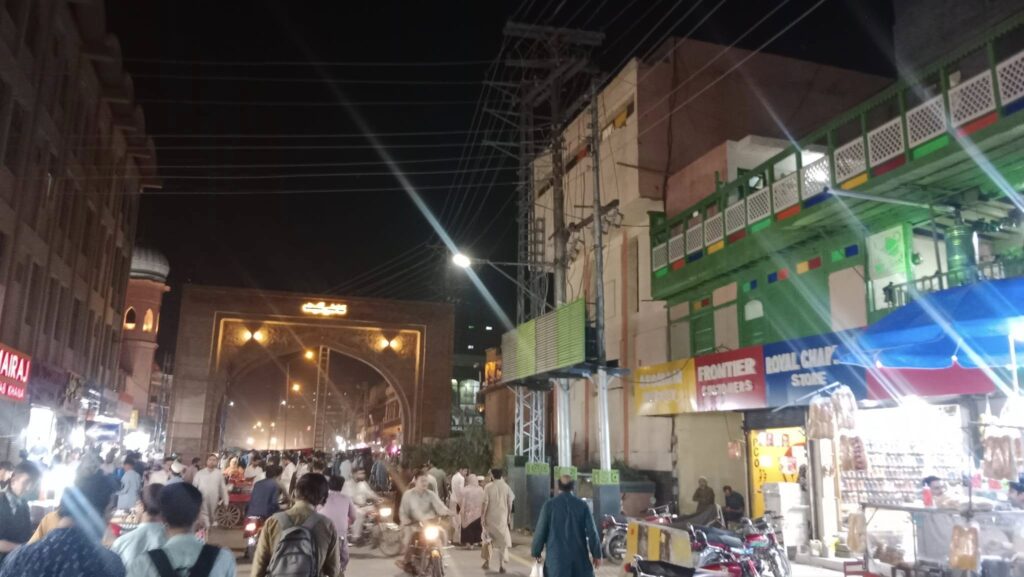
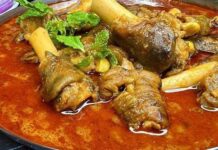
PESHAWAR (APP): As the first hints of winter begin to settle over the historic city of Peshawar, the aroma of slow-cooked siri paye is once again wafting through its bazaars especially Qisakhwani, drawing food lovers in search of a steaming bowl of one of the city’s most cherished traditional delicacies.
Known as the city of hospitality, Peshawar has long been celebrated for its rich food culture and meat cuisines. But as temperatures dip and cold winds sweep through its streets especially at evening, siri paye prepared from the trotters and head meat of sacrificial animals, particularly cattle and buffaloes takes on a special significance for many residents.
From the narrow lanes of Qissakhwani Bazaar to Hashtnagri, Namak Mandi in city and Fawara Chowk in the cantonment area, scores of paye shops and roadside eateries are witnessing a noticeable increase in customers.
For many, enjoying siri paye is more than simply having breakfast or a meal rather a seasonal ritual, a family tradition and, for some, a nostalgic journey back to the flavours of their childhood.
“I came from Karak, to enjoy the mouthwatering siri paye at Qissa Khwani with my family,” said Waris Khan, a resident of Karak, while talking to APP on Thursday.
Sitting with his family over bowls of steaming paye, Waris said the dish was particularly popular during the colder months.
“Besides its delectable taste, the special dish is considered useful for people with weak bones and low protein levels besides anemia,” he said.
At Gor Khatri, the story of siri paye is intertwined with generations of family history.
Umar Daraz, a paye seller, said he inherited the business from his father nearly 32 years ago. Despite rising meat prices and increasing operational costs, the family has continued to serve the traditional dish.
“I had inherited the paye business 32 years ago from my father and despite the increase in meat prices, he earned substantial profit,” Umar said.
He now carries forward the legacy of his family’s decades-old restaurant, Nika Haji Nazeer Ahmed Paye, commonly known as “Nika Siri Paye.”
According to Umar, his great-grandfather Naik Mohammad, popularly known as Nika was very popular. He said it was widely believed that Mughals rulers introduced it to subcontinent.
“He was the one who introduced this special dish, and I am proud to carry it forward,” Umar said.
Behind every steaming bowl is a long process that demands patience.
Umar said the paye was prepared in a traditional clay pot over low heat for nearly 18 hours, allowing the meat, bones and spices to slowly release their flavour.
The dish is then served in clay bowls, preserving some of the traditional character of the meal.
“A big bowl costs Rs700, while smaller portions are sold for Rs350 and Rs400,” he said.
The restaurant attracts customers not only from Peshawar but also from surrounding districts. Umar said people particularly travelled to his eatery on weekends to enjoy their favourite dish.
The popularity of Peshawar’s paye has also crossed national borders. Umar said overseas Pakistanis often place orders for frozen paye so they can take the traditional taste with them when returning abroad.
Orders, he said, also come from Swat, Chitral and Murree as well as Afghanistan as the dish has even attracted international food enthusiasts.
Thai food vlogger and culinary enthusiast Mark Wiens tried Peshawar’s siri paye during his visit to Pakistan in 2018 and described it as one of the best dishes he had eaten in the country.
Behind the popularity and nostalgia lies another story, the struggle of small food businesses against inflation.
Umar said the sharp increase in the prices of meat and other ingredients had affected sales considerably.
Under favourable conditions, he said, his restaurant used to sell between two and three maunds of siri paye a day.
“But due to inflation, I now manage to sell only one maund per day,” he said.
Despite these economic pressures, the arrival of colder weather is providing some relief to vendors.
The cold winds have brought renewed demand for Peshawar’s traditional winter delicacies, with large numbers of citizens visiting food stalls and restaurants to warm themselves with hot, spicy and freshly prepared meals.
At food streets and temporary stalls across the city, customers can also be seen gathering around steaming plates of chapli kabab, fragrant rice pulao, cups of traditional Peshawari green tea and freshly fried fish.
Temporary stalls have sprung up at busy locations, offering a range of winter foods that are being sold rapidly as customers seek warmth and flavour.
On Thursday, food outlets selling fried fish and chapli kabab were particularly crowded, reflecting the seasonal appetite of Peshawar’s residents.
For a city whose food traditions are deeply connected with hospitality, winter is not simply a change in weather. It is a change in the rhythm of the streets.
As temperatures fall, clay pots begin simmering for hours, frying pans crackle, green tea is poured into cups and the aroma of traditional food fills the air.
And in the heart of the old city, generation after generation continues to gather around a steaming bowl of siri paye—keeping alive a culinary tradition that is as much a part of Peshawar’s identity as its historic bazaars and legendary hospitality.