Kohistani goats draw faithful to Peshawar markets ahead of Eidul Azha
PESHAWAR, (APP): As Eidul Azha approaches, the bustling cattle markets of Peshawar are witnessing a surge of buyers, with Kohistani goats and sheep emerging as the most sought-after sacrificial animals due to their tender meat, distinct flavor, and strong cultural appeal in Khyber Pakhtunkhwa.
At the crowded Lala Kala cattle market at Peshawar’s outskirts, retired government servant Misal Khan carefully inspected a pair of Kohistani animals before finalizing his purchase with an inter provincial cattle dealer for Eidul Azha.
“Kohistani goat is my favorite sacrificial animal for Eidul Azha and I have been performing Qurbani with it for the last 10 years,” he told APP while negotiating prices with traders under the scorching summer heat due to lack of shade facilities there.
“This year, I purchased a Kohistani goat and sheep in memory of myself and my late wife to fulfill the religious obligation of sacrifice and sought mercy and forgiveness,” Misal Khan said. He said the breed’s popularity stems from its soft meat quality and unique taste, which makes it the preferred choice for many families in the province. However, salaried and low income communities especially labourers and daily wagers are also feeling the pressure of rising prices of sacrificial animals this year.
“A medium-sized Kohistani goat is being sold for Rs70,000 to Rs800,000 this year compared to Rs50,000 to Rs60,000 last year,” he said, urging authorities to monitor prices in local markets and strict action against cattle dealers involved in over charging.
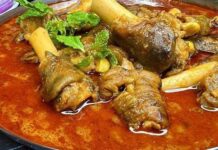
The demand for Kohistani sheep and goats has increased sharply in Peshawar ahead of Eidul Azha, driven largely by the province’s preference for lamb meat and the breed’s higher meat-to-fat ratio used in Chappli Kabab and lamb meat cuisines for Eid parties. Traders said prices for healthy and heavy animals can exceed up to Rs200,000 depending on weight and size of the Kohistani sacrificial animals pouring to the lucrative Peshawari markets
Former primary school teacher Riaz Khan, farmer Fazal Rabi and dailywager Irshad Ali said that many urban families prefer smaller sacrificial animals because they are easier to keep at home before Eid.
“We will buy large animals like cows or oxen just a day or two before Eid due to its affordable prices, but sheep and goats are purchased weeks earlier at high rates,” they said. He added that children often develop an emotional attachment with the animals, helping families explain the religious spirit and sacrifice associated with Eidul Azha.
For livestock dealer Dilafar Shah, the festive season is also a period of intense business activity for many like him. “Since last Sunday, I have sold 80 Kohistani goats out of the 150 I brought to the market from Daus Upper Kohistan district,” he said.
According to Dilafar Shah, rising transportation and feed costs are major reasons behind the increase in prices this year. To meet growing demand, he has already sent his son to Upper Kohistan to arrange five more truckloads of animals for Peshawar markets.
The popularity of Kohistani breeds has also attracted traders from Punjab and Sindh provinces, who consider them healthier and more resilient than many locally raised animals. He said that meat of Kohistani animals are also being preferred in Middle East and GULF regions by Pakistanis and are dispatched as special Eid offerings.
With Eidul Azha drawing closer, cattle markets across Peshawar are overflowing with cows, buffaloes, camels, sheep, and goats, creating a vibrant atmosphere of bargaining, excitement, and religious devotion despite hot weather.
The buyers and people complained about lack of sheds, clean drinking water and poor hygiene conditions at cattle markets of Peshawar.
Dr. Aftab Ahmad, Director of the Livestock and Dairy Development Department KP, said hundreds of thousands of animals are sacrificed across the province during Eidul Azha every year.
He said Khyber Pakhtunkhwa depends heavily on livestock imports from Punjab to meet the growing demand for sacrificial animals, adding about 70 to 75 percent of cattle for Eid are brought from Punjab,
To ensure animal health and prevent illegal smuggling, the provincial government has established special checkpoints and veterinary camps at entry points, cattle markets, and major highways.
Special veterinary teams and doctors have also been deployed at major cattle markets to provide on-the-spot treatment and disease surveillance for sacrificial animals ahead of Eid celebrations.