Pakistan-Saudi Arabia Defence Pact 2025
A Strong Partnership: How the Defence Deal Between Pakistan and Saudi Arabia Changes Security in the Gulf and South Asia
By: Samima Zafar
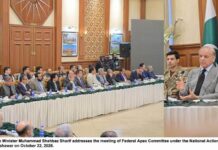
The Pakistan-Saudi Arabia Defence Pact, signed on 17 September 2025, has become one of the most talked-about developments in recent regional politics. The Strategic Mutual Defence Agreement (SMDA) states that any aggression against either country will be considered an aggression against both. The pact aims to enhance various aspects of defence cooperation between the two countries and strengthen joint deterrence against external threats. It encompasses a wide range of military cooperation, including armed forces coordination and strategic security collaboration.
Pakistan and Saudi Arabia have a long history of military cooperation, defence training programmes, and strong economic, cultural, and religious ties. Pakistan has been providing military support and training to Saudi Arabia since the 1960s, reflecting a deep and enduring strategic relationship.
In recent years, Middle Eastern politics have undergone significant changes. Security concerns have intensified due to fears of external threats, reactions to Israeli military actions, and growing uncertainty about the reliability of the United States as a long-term security guarantor. Many experts believe that the new defence agreement is partly a response to these evolving challenges.
The pact was signed by Saudi Crown Prince Mohammed bin Salman and Pakistan’s Prime Minister Shehbaz Sharif. It follows recent Israeli attacks on Qatar and an unusual Arab-Islamic summit held in Doha. Given the historically close economic, religious, and security relations between the two countries, the agreement is widely seen as a strategic signal and possibly a warning—to Israel amid rising regional military tensions.
Several neighbouring countries and regional powers have expressed concerns about how the pact may affect the balance of power in the region. India, in particular, has stated that it is closely monitoring these developments. The agreement also has broader regional implications. Saudi Arabia occupies a central position in the Gulf, a region marked by strategic competition involving Iran, the UAE, and major global powers. Pakistan, meanwhile, is located in South Asia, where tensions with India, instability in Afghanistan, and the influence of global powers shape the security environment.
A stronger Pakistan–Saudi partnership creates a strategic bridge between the Gulf and South Asia, enhancing diplomatic leverage and providing both countries with a stronger collective voice. This is especially significant at a time when traditional alliances, particularly the U.S. presence in the Middle East are undergoing change. The pact also reflects a growing willingness among regional states to build indigenous security frameworks rather than relying solely on external powers.
Like any major agreement, the defence pact has faced criticism. Some analysts fear that Pakistan could be drawn into Middle Eastern conflicts or that the agreement may strain its relations with Iran. Others argue that it could intensify regional competition. While these concerns are valid, both governments have consistently emphasized that the pact is defensive rather than offensive. Its primary objectives are stability, preparedness, and enhanced coordination not the creation of new conflicts. For Pakistan, maintaining a balanced foreign policy remains crucial, and the country appears cautious about avoiding involvement in regional rivalries.
Overall, the 2025 Pakistan–Saudi Arabia Defence Pact is more than a political announcement. It represents a forward-looking initiative that acknowledges the changing nature of global and regional security. Built on trust and cooperation, the agreement positions both countries to better address future challenges. If managed wisely, the pact could evolve into a long-term strategic anchor, providing security, economic benefits, and diplomatic strength for both nations. In an increasingly uncertain world, regional cooperation remains one of the most effective paths toward peace and stability.
Author: Samima Zafar
Department: Political Science
Institution: International Islamic University, Islamabad